Why Simple, Slower Experiences Matter for Children

We live in a world where so much happens instantly.
Messages are sent and received in seconds. Entertainment is always within reach. Answers appear as soon as questions are asked. For children growing up in this environment, speed is normal. Waiting is not.
And yet, some of the most meaningful experiences in childhood are the ones that cannot be rushed.
They arrive slowly.
They unfold over time.
They ask for patience — and offer something in return.
The Value of Small, Simple Moments
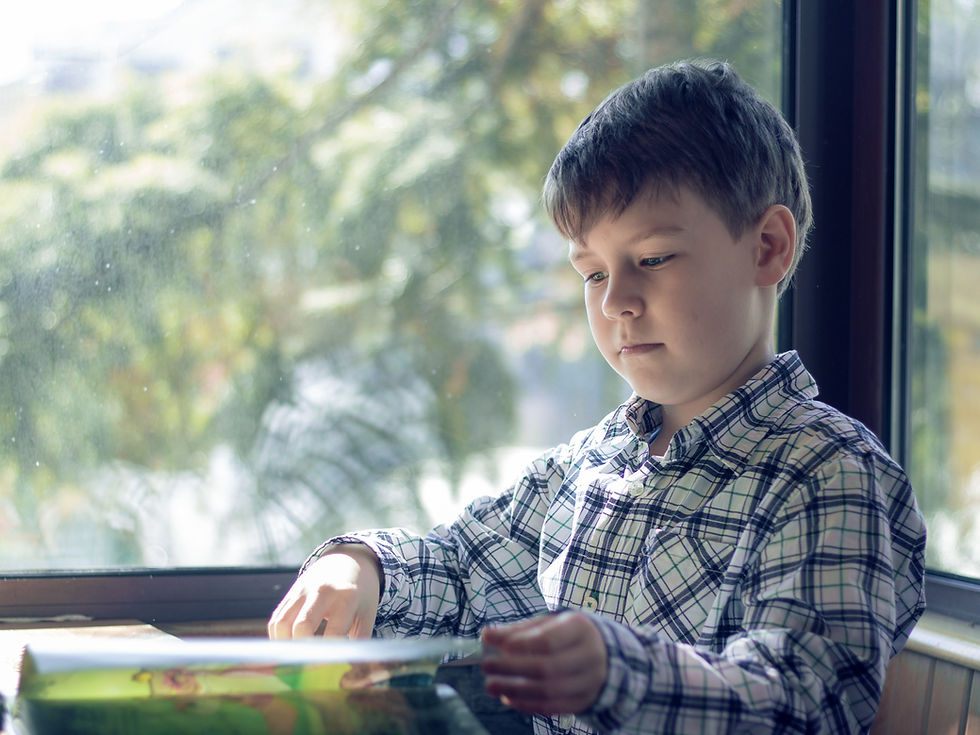
Simple pleasures often go unnoticed because they don’t demand attention.
A child sitting quietly with a story. A moment of anticipation before opening something new. The familiar feeling of returning to something again and again.
These aren’t big or dramatic experiences. They don’t compete with fast‑paced entertainment. But they leave an impression that lasts.
They create space — space for imagination, curiosity, and reflection.
And for children, that space is increasingly rare.
Why Tactile Experiences Matter
There is something different about holding something in your hands.
A letter.
A page.
An envelope with your name on it.
These things are not swiped past or scrolled through. They are opened, touched, turned over, revisited.
A tactile experience slows a child down in a way that digital experiences do not. It invites them to focus. To notice details. To stay with something a little longer.
It also gives stories a kind of presence — something physical that can be kept, reread, and returned to. Not just consumed once and forgotten.
For children, this makes the experience feel more real.
The Power of Waiting
Waiting is often seen as something to avoid — something to fill, distract from, or shorten whenever possible.
But for children, waiting holds a different kind of value.
When something is not immediate, it creates anticipation. A sense that something is coming — something worth paying attention to.
The days between receiving something can become part of the experience itself. A child might think about what could arrive next. Wonder what will happen in the story. Look forward to returning to something familiar.
This kind of waiting is not frustrating — it’s meaningful.
It teaches:
that not everything happens all at once
that some things unfold over time
that there is value in looking forward to something
These are quiet lessons, but they stay with children as they grow.
A Different Kind of Storytelling

Stories that arrive over time feel different than stories that are finished in one sitting.
They ask a child to remember.
To imagine what might happen next.
To hold onto a thread and pick it up again later.
This creates a deeper kind of engagement — not just with the story, but with the experience of following it.
Instead of rushing toward an ending, the story becomes something that lives alongside the child for a while.
Where Snail Mail Fits In
This is part of what makes receiving mail so meaningful.
A letter doesn’t appear instantly. It travels. It arrives when it arrives. And when it does, it brings with it a sense of occasion — something to open, to hold, to spend time with.
Bunny & Carrot’s Snail Mail was created with this in mind.
Each letter is part of an ongoing experience — something that arrives, settles in, and becomes part of a child’s world for a time. It isn’t meant to compete with fast entertainment or constant activity. It exists alongside the quieter moments.
It offers:
something to anticipate
something to return to
something that belongs to the child
Not because it is urgent, but because it is present.


